
Maritime Sector
- Home
/ Maritime Sector
Electric Transition at Sea: NAMA Solutions from Boat to System
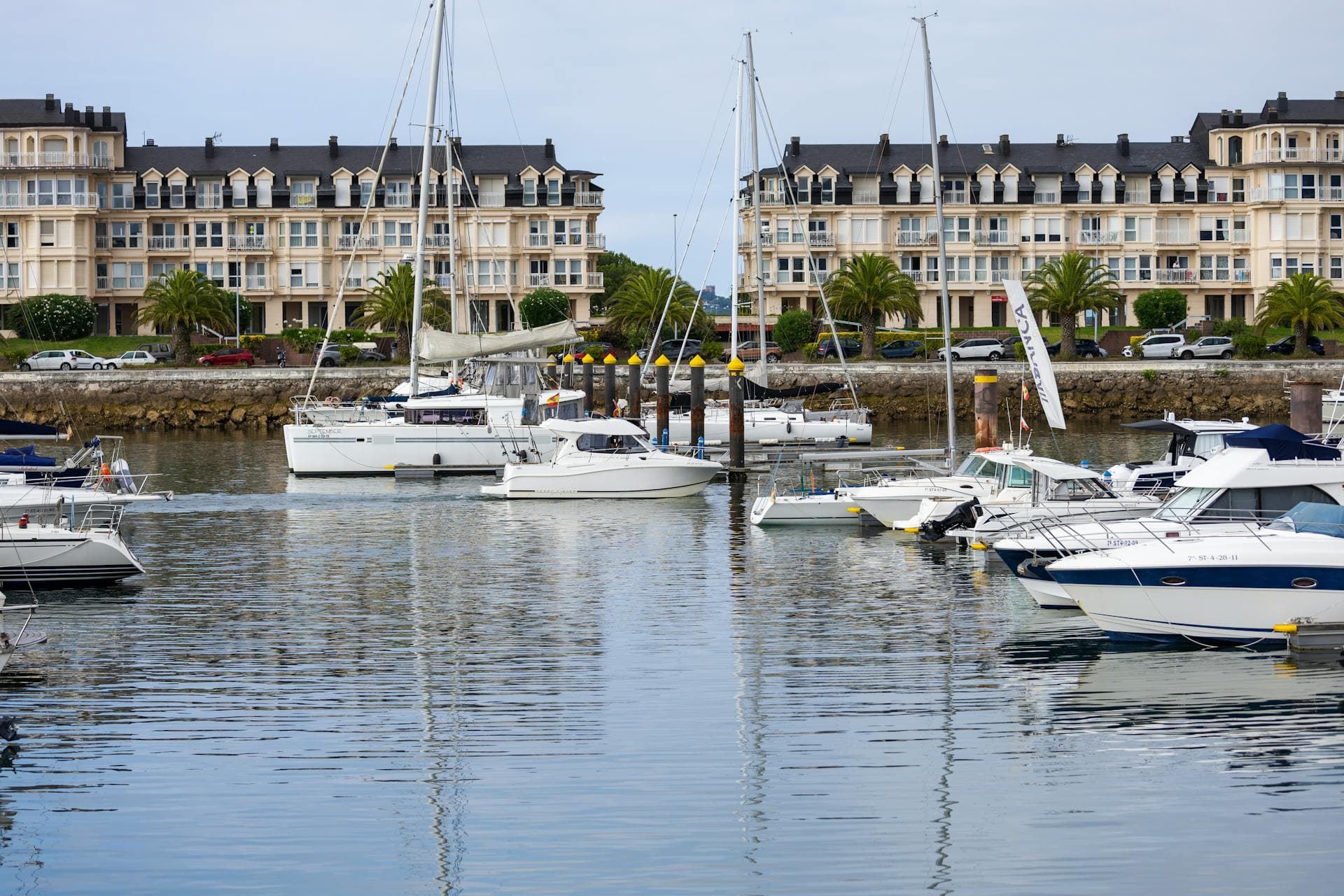
Maritime transport is one of the sectors most dependent on fossil fuels. The exhaust, fuel leaks and noise of diesel engines are felt most directly along the coast, in marinas and on enclosed lakes and reservoirs. NAMA Electromobility and Energy Technologies addresses this not with a single motor product but by looking at the boat's entire energy system: propulsion, battery, charging, solar power and control are designed together.
We carry out our maritime work under the Nawis Marine brand. With the New Stream series of electric marine motors and matching accessories, Nawis Marine helps excursion, passenger, fishing and private boats make the switch to electric.
Which boats are suitable for electric propulsion?
New Stream motors are designed for boats between 6 and 24 metres. The smallest model, 8 kW, suits boats 6–12 m long weighing 1.5–14 tonnes; the most powerful model, 25 kW, targets boats up to 24 metres and 80 tonnes. The system is optimised for displacement hulls cruising at 7–12 knots; planing hulls and speedboats are outside its scope. This range covers the use cases where electric propulsion pays off most:
- Excursion and tour boats: Short, predictable routes, frequent stops and guest comfort.
- Passenger boats: Ferry-style short-route transport.
- Reservoir and lake boats: Zero fuel leakage matters most in drinking-water basins and enclosed waters.
- Private boats and sailboats: Quiet manoeuvring around the marina and use as an auxiliary motor.
How do you choose the right power? (8 kW to 25 kW)
The New Stream series comes in five power ratings: 8, 12, 16, 20 and 25 kW. As a rough comparison, the 8 kW model covers a use range similar to 50–70 HP combustion engines and the 25 kW model a range similar to 180–230 HP; torque rises from 104 Nm to 331 Nm.
The right power depends on the boat's length, displacement, hull type and target cruising speed. With Nawis Marine's motor finder and battery planner you can pre-calculate a suitable model and battery capacity, then finalise it with our engineering team.
Which mounting types are available?
Every boat is built differently, so the same motor technology is offered in five mounting types:
- Inboard: Replaces the existing diesel engine in shaft-driven systems; the most common choice in conversion projects.
- Outboard: Transom mounting for small and mid-size boats.
- Pod drive: A compact solution with the motor positioned under the hull together with the propeller.
- Sail drive: Vertical through-hull drive for sailboats.
- Stern drive: Motor inside, steerable drive leg outside.
Each type is available in all five power ratings, so 25 models cover everything from new builds to conversions of existing boats.
A motor alone is not enough: the electric boat's energy system
An electric boat performs only as well as the system that powers it. That is why we deliver our projects as turnkey systems:
- LiFePO4 battery packs: Lithium iron phosphate chemistry, preferred at sea for its long cycle life and thermal stability; packs with BMS come in 8, 16, 24, 48 and 96 kWh.
- Marine chargers: For shore-power charging at the dock.
- Solar panels (250–750 W) and MPPT charge controllers (40–120 A): Extend range by charging the battery from the sun while cruising or at anchor.
- Electronic throttle, driver control panel and boat display: Show the skipper speed, current and battery status in real time.
The smart control module (Smart Hub) that ties the system together lets you monitor the boat's performance and battery efficiency in real time.
What are the benefits for operators?
- Lower fuel and maintenance costs: An electric motor has no oil changes, filters or injectors to service.
- Quiet cruising: Directly improves the guest experience on tour boats and sets nature and bay tours apart.
- Zero local emissions: No exhaust or fuel-leak risk in marinas, along the coast or in drinking-water basins.
- High torque, easy manoeuvring: Electric motors deliver full torque at low rpm, making harbour manoeuvres easier.
- Regenerative charging: When sailing, the turning propeller recovers energy to charge the battery.
Standards and safety
All 25 models of the New Stream series are CE certified. Inboard models are air-cooled and need no seawater cooling circuit.
In development: NAMA Wind
Under the NAMA Wind brand we are developing vertical-axis wind turbines. The goal is to work alongside solar panels at coastal facilities, marinas and off-grid piers so that the infrastructure charging the boats also runs on renewable energy. The product is not yet on sale; we will share updates on this page.
Electric propulsion at sea is no longer an experimental technology; sized correctly, it is an investment that pays back directly. Contact the Nawis Marine engineering team to define the right system for your boat's length, use case and route.
Reference Projects
Under our Nawis Marine brand we have converted excursion, passenger and reservoir boats across Türkiye to 100% electric propulsion. A few of these projects are shown below.
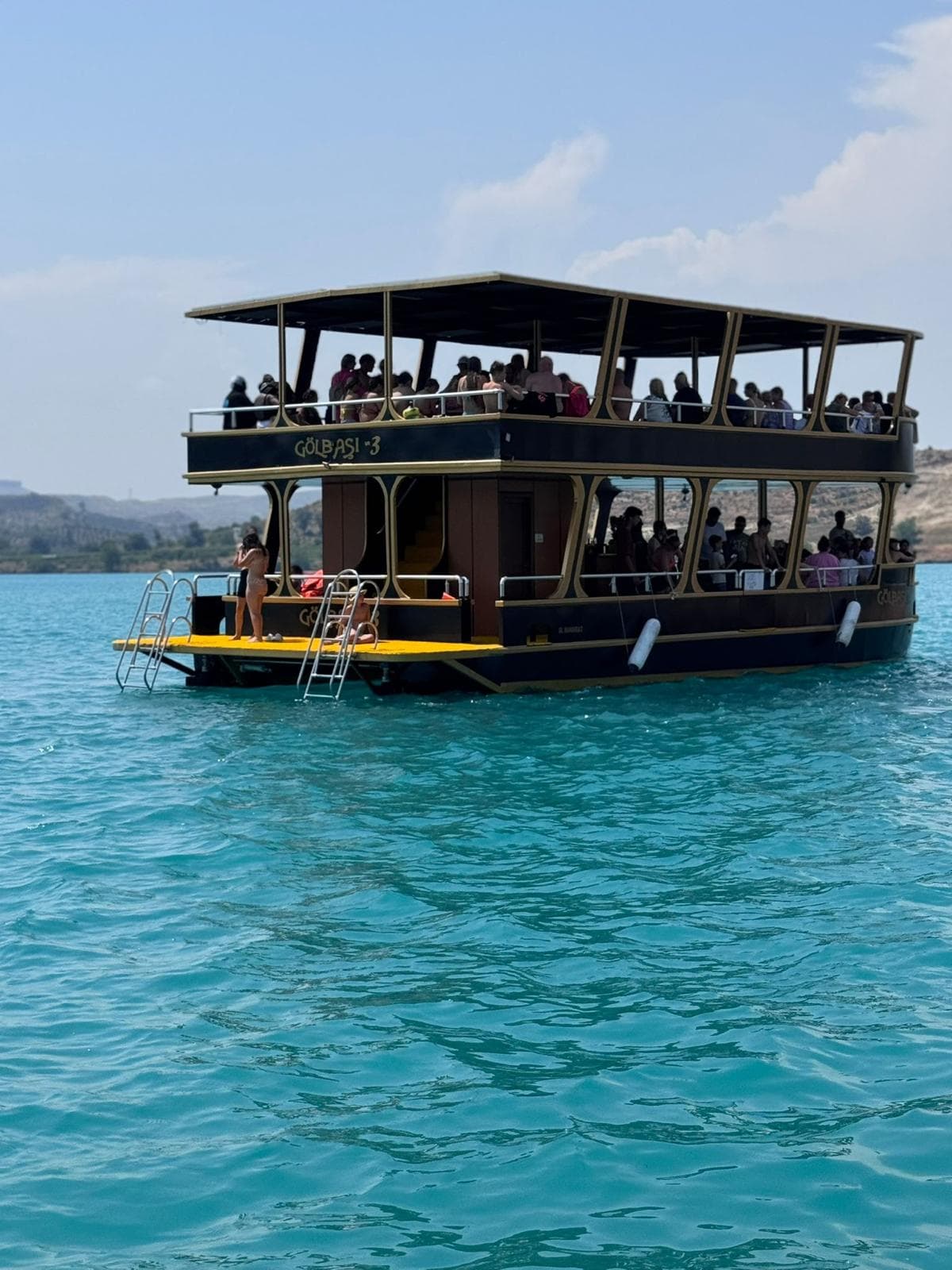
Gölbaşı – Antalya
Gölbaşı – Antalya electric passenger boat

Karacaören – Burdur
Karacaören Burdur reservoir electric boat project
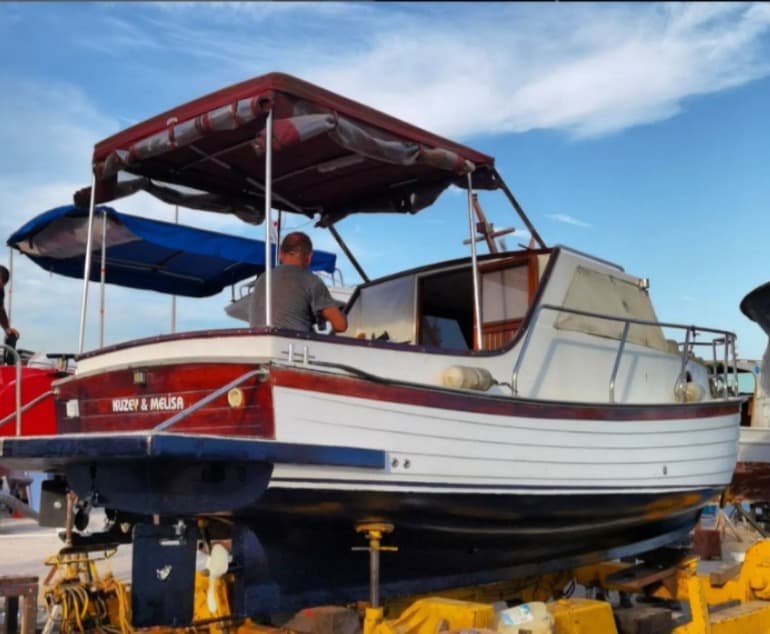
Yeşilköy – Istanbul
Yeşilkoy Istanbul electric boat conversion project