
Why E-Mobility?
- Home
/ Why E-Mobility?
Electromobility
Why E-Mobility?

Electric mobility (e-mobility) represents the transition from conventional internal combustion engines to electric vehicles. This is not only a transformation in transportation, but also a major step forward for the environment, the economy and quality of life. Challenges such as climate change and the depletion of fossil fuels make the need for more sustainable transport solutions more urgent than ever. In this context, e-mobility offers a cleaner, more efficient and more environmentally friendly model of transportation.
Why Is E-Mobility Better for the Environment?
Compared to vehicles with internal combustion engines running on fossil fuels, electric vehicles have much lower carbon emissions. Since they operate with zero tailpipe emissions, they significantly improve urban air quality. When charged with renewable energy sources, they can even provide a completely carbon-neutral mode of transportation, reducing air pollution in cities, shrinking the carbon footprint and directly supporting the fight against climate change.
How Is E-Mobility Advantageous Economically?
Although the initial investment cost of electric vehicles can still be slightly higher than that of conventional vehicles, they provide clear economic benefits in the long term. Because electric motors have fewer moving parts, their maintenance costs are much lower. In addition, charging an electric vehicle is generally far more economical than refuelling with fossil fuels. When combined with renewable energy powered charging stations, energy costs can drop even further, creating wide-ranging economic advantages from individual users to large businesses.
How Does E-Mobility Affect Sustainability?
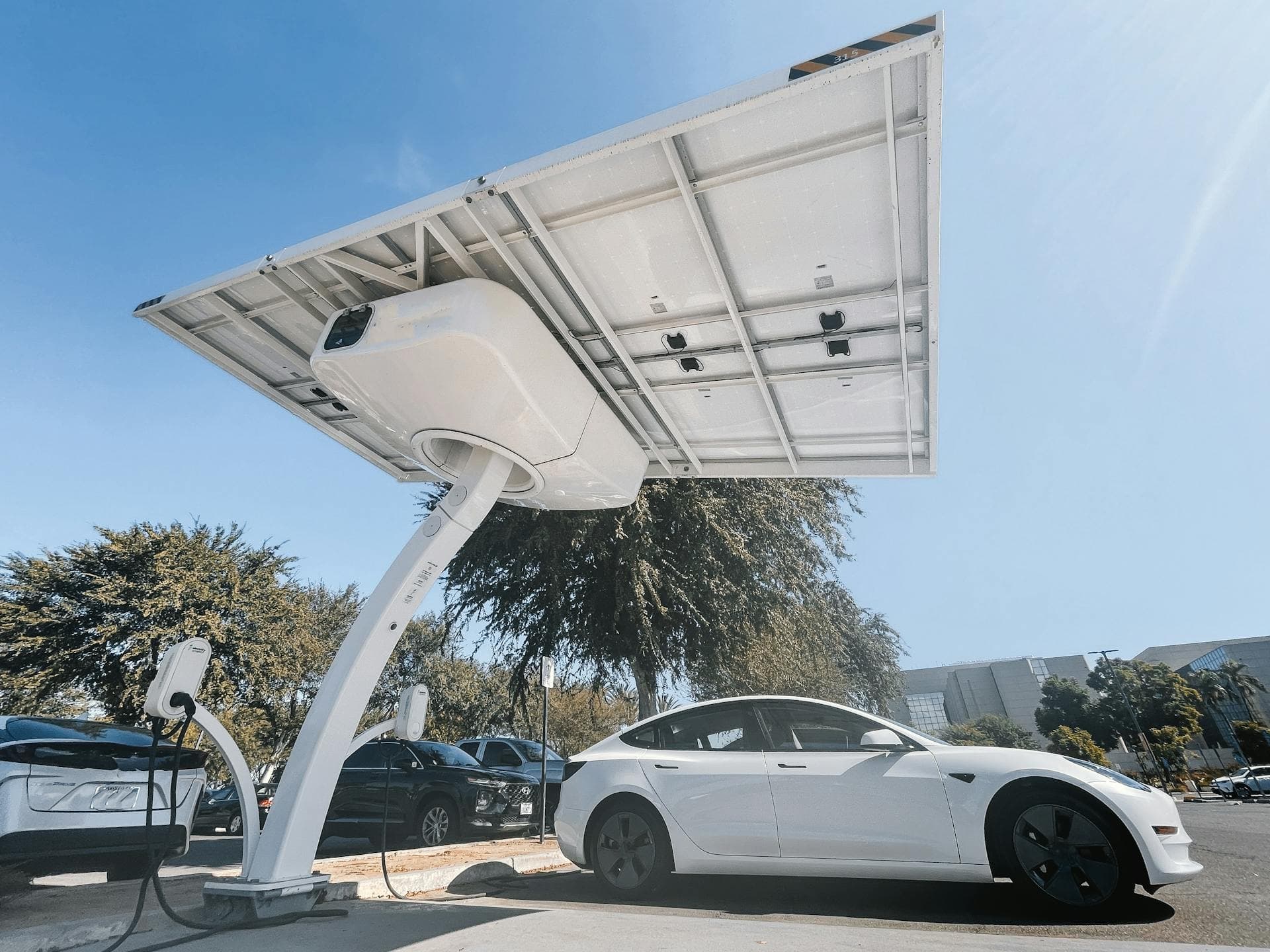
E-mobility enables the integration of sustainable energy systems into the transport sector. Electric vehicles charged with renewable energy sources such as wind and solar power are directly aligned with the sustainability targets of the energy sector. This reduces dependence on fossil fuels and increases energy supply security. At the same time, more efficient energy use helps balance overall energy demand and contributes to building a sustainable energy ecosystem.
How Do Electric Vehicles Perform?
Electric vehicles offer higher torque and faster acceleration compared to conventional vehicles. Since electric motors deliver maximum torque instantly, they respond faster and operate more quietly, improving driving comfort. Technologies such as regenerative braking enable energy recovery, which extends driving range and increases overall efficiency. In short, electric vehicles are not only environmentally friendly, but also high-performance means of transportation.
What About E-Mobility Charging Infrastructure?
As e-mobility becomes more widespread, the charging infrastructure for electric vehicles is rapidly developing. Charging units are becoming common in cities, on highways, in commercial areas and even at homes, making it easier for users to charge their vehicles. Fast charging technologies are also constantly improving, and charging times are steadily decreasing. Charging stations integrated with renewable energy sources make e-mobility even more sustainable.
How Is E-Mobility a Revolution for Society and Cities?

Electric vehicles offer a major opportunity for cleaner and quieter cities. In large urban areas they have great potential to reduce air pollution and minimise carbon emissions. Quiet operation significantly reduces noise pollution as well. This improves quality of life in cities and has a positive impact on public health. In addition, when integrated with smart city solutions, e-mobility paves the way for a new generation of intelligent transportation systems.
How Is the Future of E-Mobility Evolving?
The future of e-mobility continues to be shaped by technological progress. Advancing battery technologies extend the range of electric vehicles while lowering production costs. Developments in autonomous driving and self-driving vehicles will take electric transport to a completely new level. At the same time, the spread of charging infrastructures compatible with renewable energy sources makes the use of electric vehicles even more practical. E-mobility is not just a trend; it forms the foundation of the transport systems of the future.